Rolling down the interstate with a full load feels great—until something coughs, clunks, or the dash lights up like a Christmas tree. A breakdown on the highway isn’t just inconvenient; it’s a safety puzzle you need to solve fast and calm. Here’s how I keep control, protect myself and others, and get rolling again without turning a bad day into a dangerous one.
Get to a safe spot
The moment I sense trouble—loss of power, weird vibration, sudden warning lights—I signal early and start easing off the throttle. I avoid stabbing the brakes. Instead, I downshift, flash hazards, and drift to the right shoulder or the nearest safe exit. If a shoulder is narrow, I’ll look for a ramp, weigh station, or wide turnout. The goal is simple: get out of the live lane without surprising anyone.
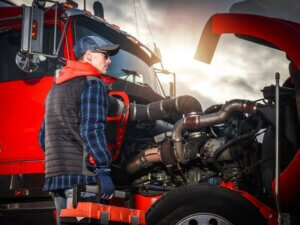
Once I’m stopped, I set the parking brake, keep hazards on, and turn the wheels away from traffic. If the shoulder slopes, I chock the wheels. Night or low visibility? I keep the lights on and pop the hood—it’s a visual cue that says “disabled vehicle” from a long way off.
Need roadside assistance? Call Apollo!
Make yourself visible
I grab my high-visibility vest before stepping out. I exit on the passenger side if possible, staying well off the white line. Then I place reflective triangles: one 10 feet behind the trailer, a second 100 feet back, and a third 200–300 feet back depending on speed and sightlines. In curves, hills, or poor visibility, I stretch those distances. The point is to buy drivers time.
I use road flares sparingly and only when it’s safe from fuel or cargo hazards. If I’m carrying hazmat, I follow the placard rules and my company’s specific procedures. On busy shoulders, I limit time outside the cab—visibility helps, but exposure is risk.
You might be interested in: Why mobile truck repair services are crucial for drivers
Assess, secure, and communicate
I run a quick assessment: smoke, leaks, smells, or heat. If there’s a fire risk or I detect a fuel leak, I move everyone upwind and call 911 right away. Otherwise, I secure the scene—place chocks, lower landing gear if I have to drop the trailer, and keep bystanders clear. I don’t crawl under a truck on an active shoulder; that’s shop or tow-yard work.
Next, I call dispatch or roadside service with precise info: mile marker, highway direction, nearest exit, truck number, trailer type, load details, and symptoms. Photos help technicians prep the right parts. If traffic is heavy, I ask for a highway patrol assist—they can create a safety buffer.
We’ll get you back on the road, no matter the hour. Call Apollo for mobile truck repairs.
Triage the problem—fix what’s safe, park what isn’t
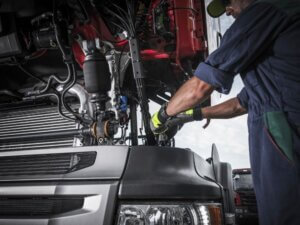
Some issues are safe to address on the shoulder: tightening a loose airline, reseating an electrical connector, swapping a fuse, or replacing a blown headlight if I can do it without stepping into traffic. For cooling problems, I let the engine cool completely before touching anything. I only use spill kits for minor leaks I can contain; anything larger is a call-in situation.
If steering, brakes, tires, or suspension are suspect, I don’t gamble. A shredded steer tire, cracked wheel, hot hub, or spongy brake pedal is a tow call, period. The same goes for recurring electrical faults that could strand me in a worse spot. Safe judgment beats making miles.
Prepare before it happens
Preventive prep makes the difference. I keep a kit with triangles, vest, gloves, headlamp, spill socks, fuses, airline couplers, zip ties, duct tape, a basic socket set, and a torque wrench. I also maintain a contact list for dispatch, roadside, tow, and local DOT. Regular pre-trip and post-trip inspections catch a lot: tire pressures, tread, lights, belts, hoses, leaks, brake adjustment, and hub temps with an IR thermometer.
A breakdown doesn’t have to be a crisis. With a cool head, clear visibility, and solid communication, I can keep the scene safe and get help headed my way. The goal isn’t heroics—it’s to go home in one piece and keep the freight moving the right way, even on the days that don’t go to plan.
Call us for truck repair road service here. We are in Florida, Texas and Georgia. Open 24/7.